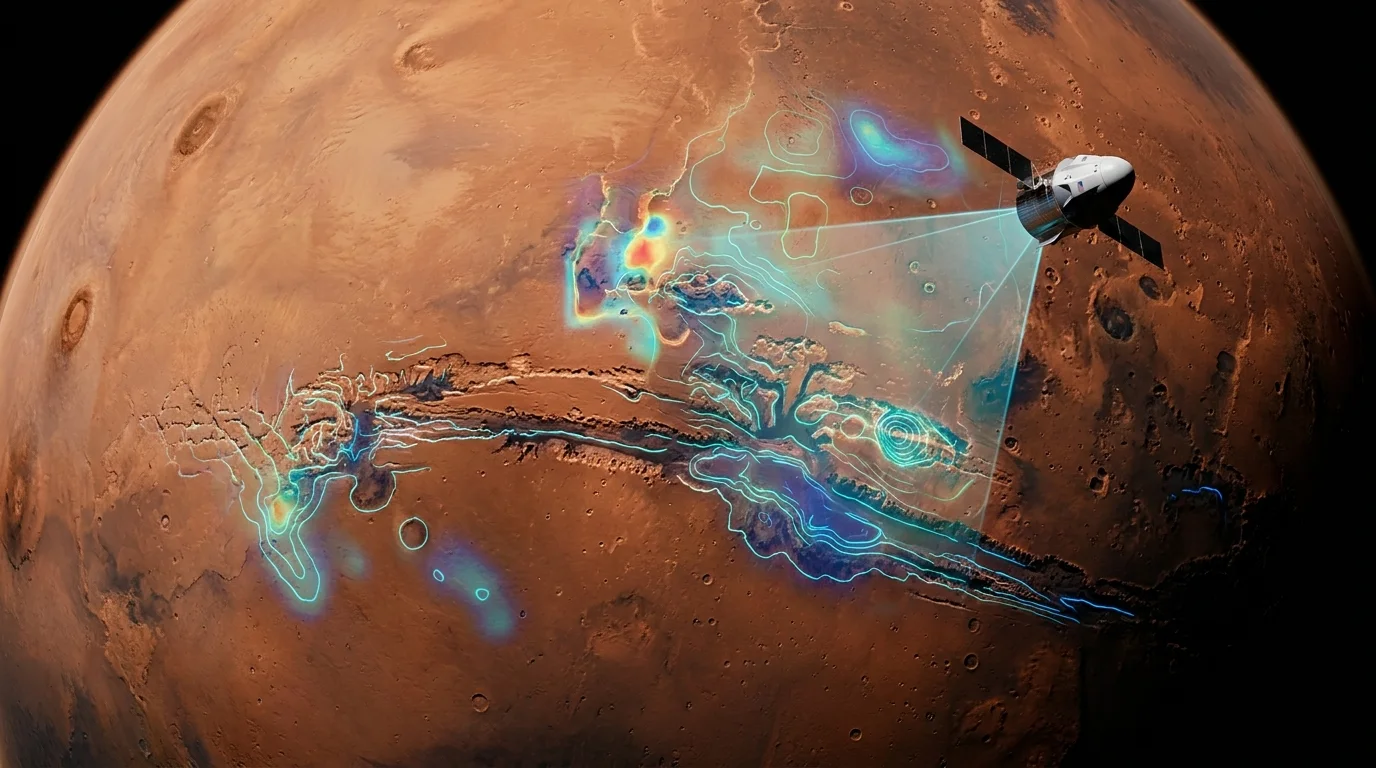
How NASA Maps the Surface of Mars
Mars may look like a dusty red world from a distance, but to scientists, it is a planet full of valleys, craters, volcanoes, canyons, dunes, and layered rock formations. To s…
Read ArticleSearch science, space, technology and the questions behind them.
Mars may look like a dusty red world from a distance, but to scientists, it is a planet full of valleys, craters, volcanoes, canyons, dunes, and layered rock formations. To s…
Read Article
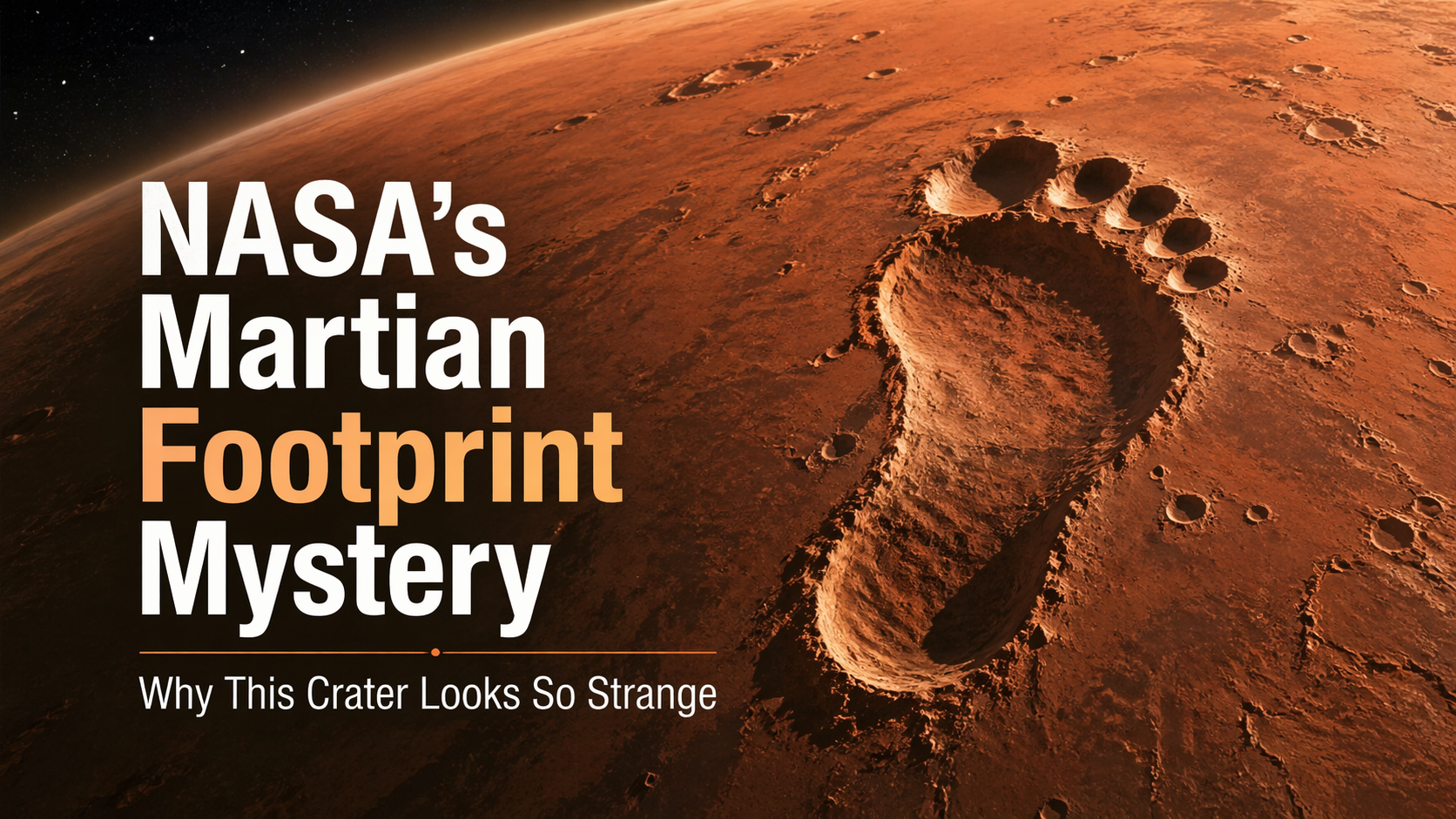
A strange footprint-like feature on Mars becomes a lesson in image interpretation, geology and scientific verification.
Read Article
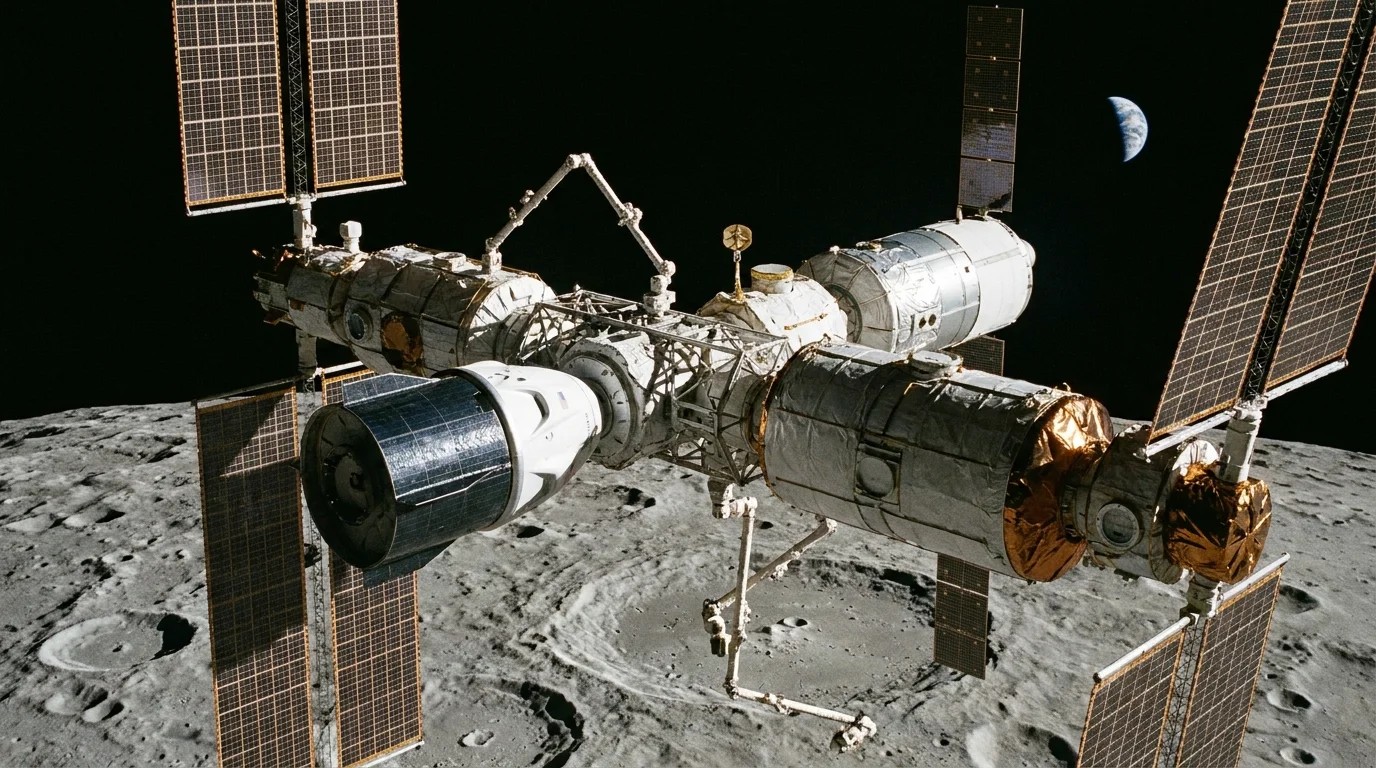
Inside the habitat and support systems planned for Gateway, NASA’s staging point for sustained lunar exploration.
Read Article
NASA reusable interplanetary spacecraft technology is one of the most important ideas in the future of sustainable space exploration. For most of spaceflight history, major s…
Read Article
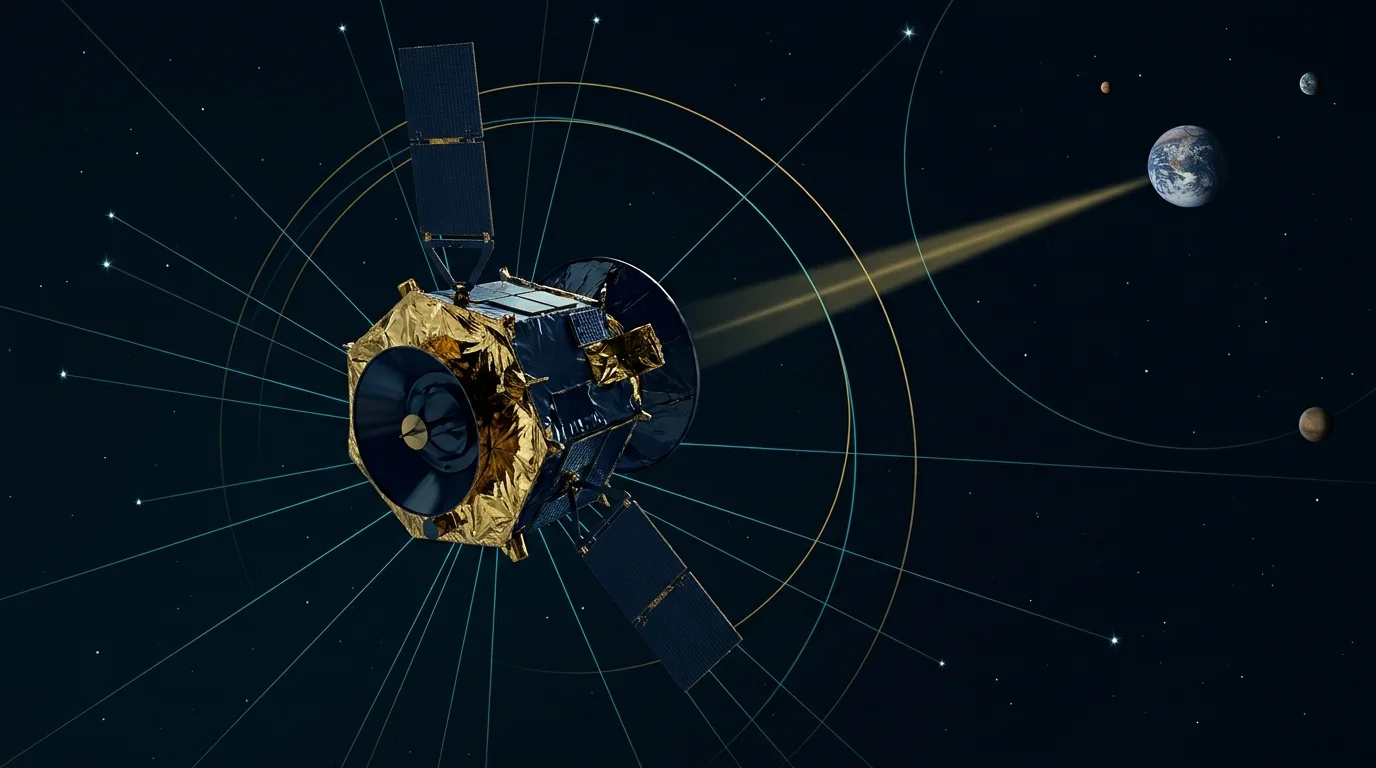
Space travel is not like driving on Earth. A spacecraft cannot use road signs, traffic lights, or normal GPS once it travels far beyond our planet. It must understand its pos…
Read Article
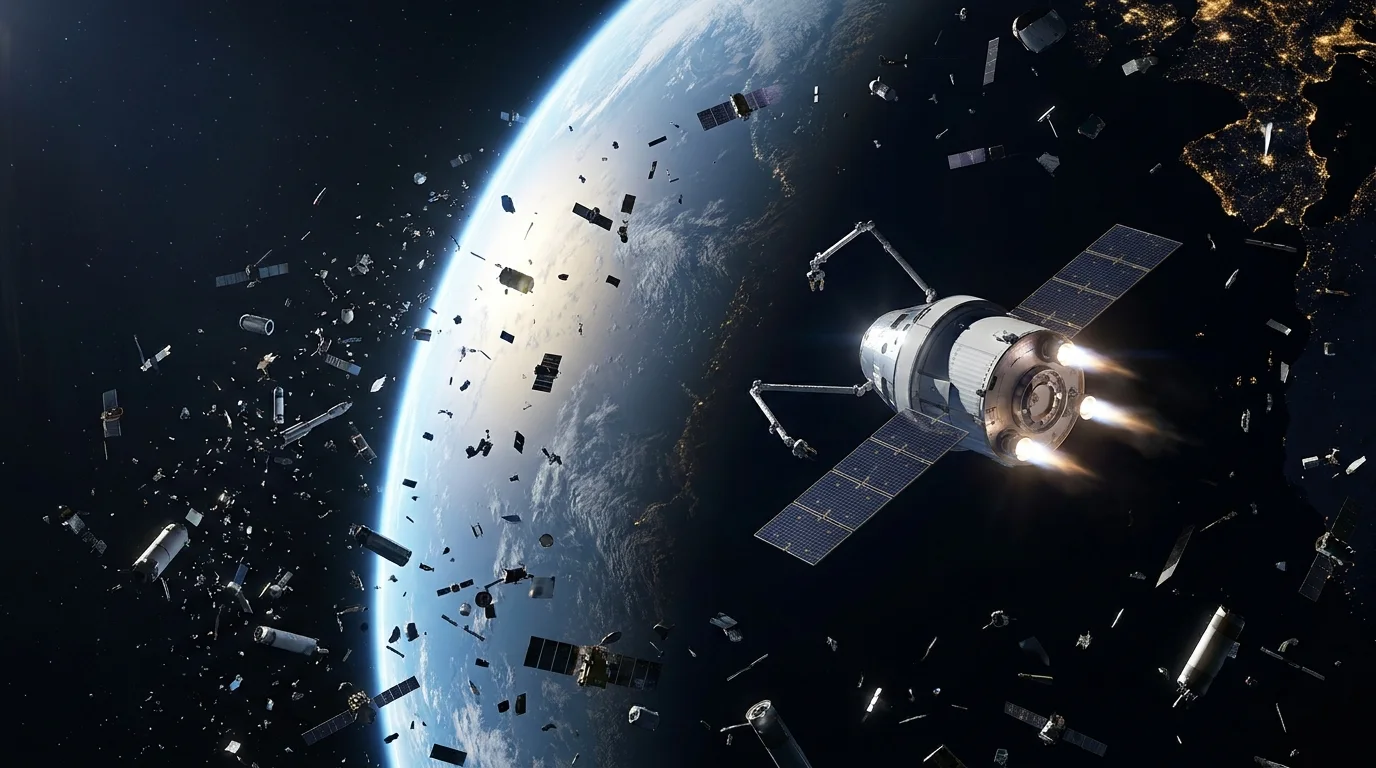
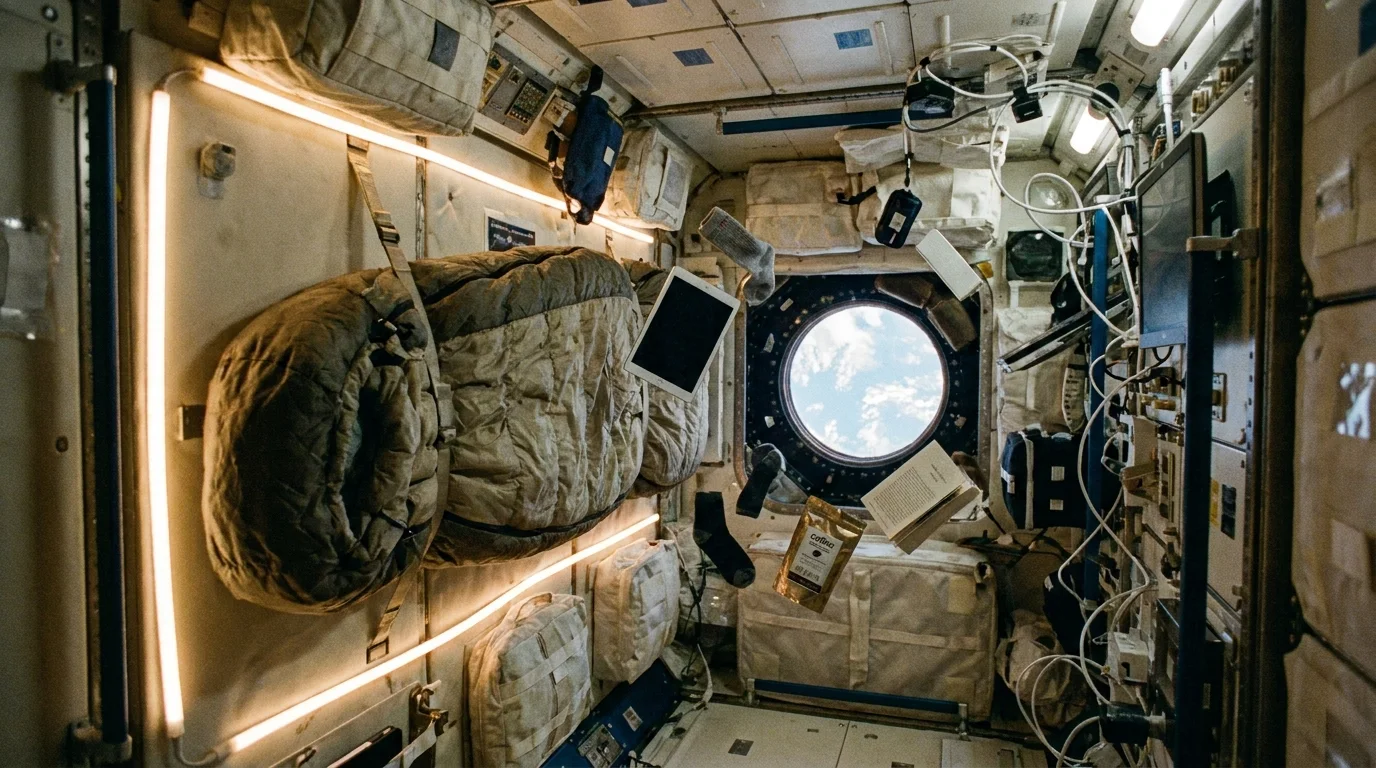
Living beyond Earth is one of the hardest challenges in space exploration. Sending astronauts to the Moon or Mars is difficult, but keeping them alive, healthy, protected, an…
Read Article
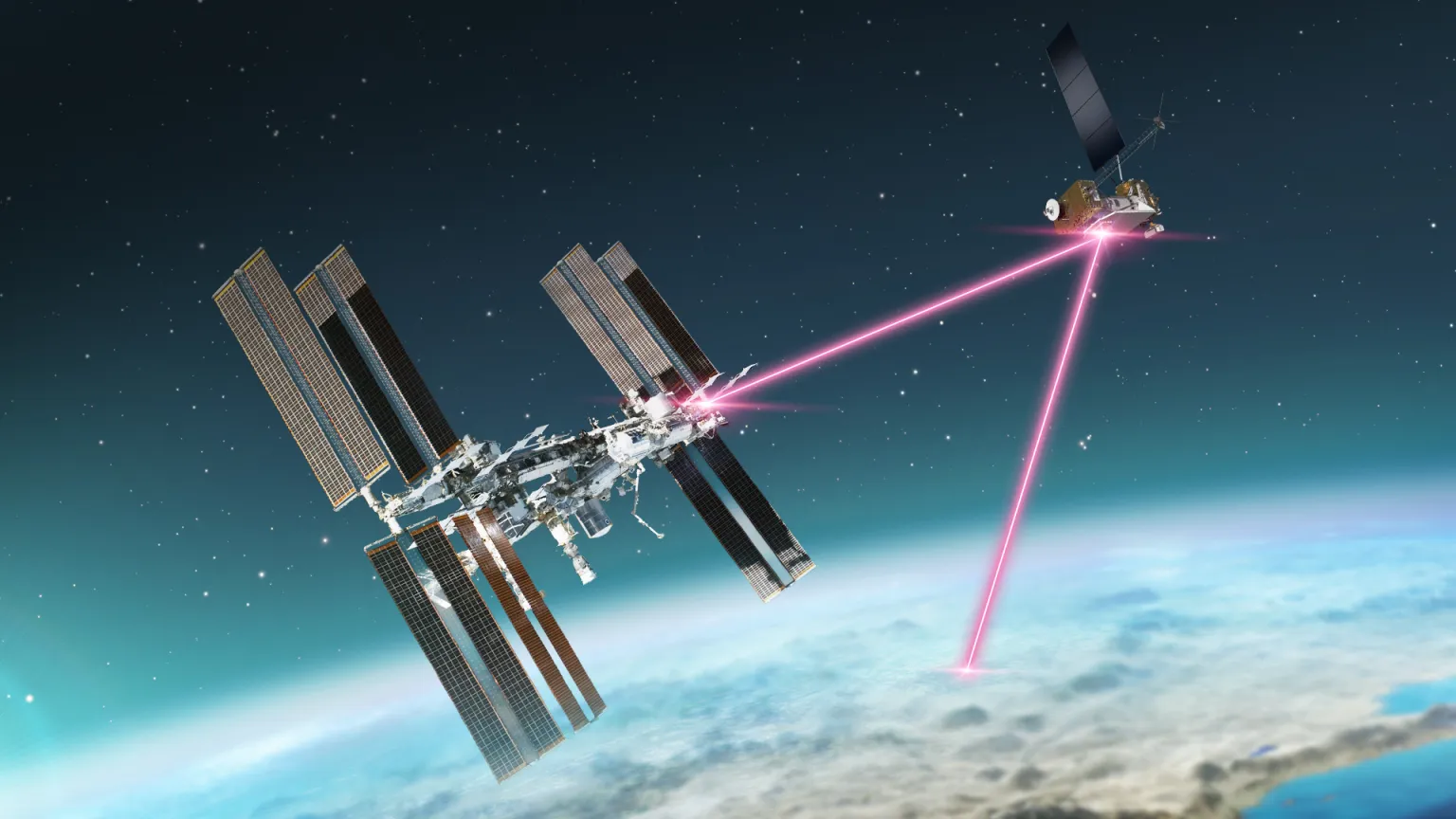
NASA deep space laser communication is one of the most important technologies for the future of interplanetary data transmission. Space missions are collecting more data than…
Read Article
NASA regenerative life support systems are among the most important technologies for the future of human space exploration. Rockets can launch astronauts into space, spacecra…
Read Article
NASA Mars atmospheric entry technologies are among the most important systems for future Mars exploration. Sending a spacecraft to Mars is difficult, but landing it safely is…
Read Article